Signature Architectural Styles That Define Beverly Hills Estates (2026)
Beverly Hills architecture encompasses 5 core estate styles: Mediterranean Revival, Mid-Century Modern, Contemporary Minimalism, Traditional European, and Spanish Colonial Revival. Featuring over 100 city-recognized Master Architects including Paul R. Williams and Frank Lloyd Wright, architectural pedigree serves as a primary valuation multiplier across 90210 real estate.
Explore Historic Mid-Century vs Modern Contemporary Estates
Compare architectural styles, Master Architect pedigree, and lot positioning across Beverly Hills:
Consult with Coldwell Banker Global Luxury for architectural advisory and off-market inventory.
Architectural Style | Prominent Era | Key Signature Features | Typical Beverly Hills Location | Valuation Impact |
|---|---|---|---|---|
Mediterranean Revival | 1920s - 1930s | Red clay tile roofs, stucco walls, arched openings, courtyards | Beverly Hills Flats & North of Sunset | High value retention, foundational legacy appeal |
Mid-Century Modern | 1945 - 1970s | Glass walls, low-profile rooflines, open floor plans | Trousdale Estates & Hillside Enclaves | Premium pricing for Master Architect provenance |
Contemporary Minimalism | 2000s - Present | Monolithic forms, natural stone, smart home integration | Redevelopment zones & view corridors | High buyer demand, sensitive to finish execution |
Traditional European | 1980s - Present | Axial layouts, stone facades, formal symmetrical elevations | Beverly Park & acreage parcels | Strong hedge against market correction cycles |
Spanish Colonial Revival | 1920s - 1940s | Wrought ironwork, decorative tile, exposed beam ceilings | Historic Flats subdivisions | Protected historic value with preservation potential |
In Beverly Hills, architecture directly influences property value and desirability. The city officially recognizes over 100 Master Architects, a list that includes icons like Paul R. Williams, Frank Lloyd Wright, and Richard Neutra, whose work is considered so significant that alterations to their structures require specialized review. Discerning buyers prioritize architectural pedigree, where factors like lot orientation and historical context boost architectural significance and market valuation.
Key Architectural Styles
Mediterranean Revival: The Foundational Language
Mediterranean Revival architecture established the visual identity of Beverly Hills in the early 20th century. A significant portion of legacy estates north of Sunset Boulevard reflect Mediterranean principles, particularly within original residential subdivisions.
- Key Elements: Red clay tile roofs, thick stucco exterior walls, arched openings, central courtyard plans
- Climate Alignment: Passive cooling via thermal massing and sheltered loggias
- Market Position: Core foundational style for high-net-worth estate buyers
Mid-Century Modern: Architectural Precision
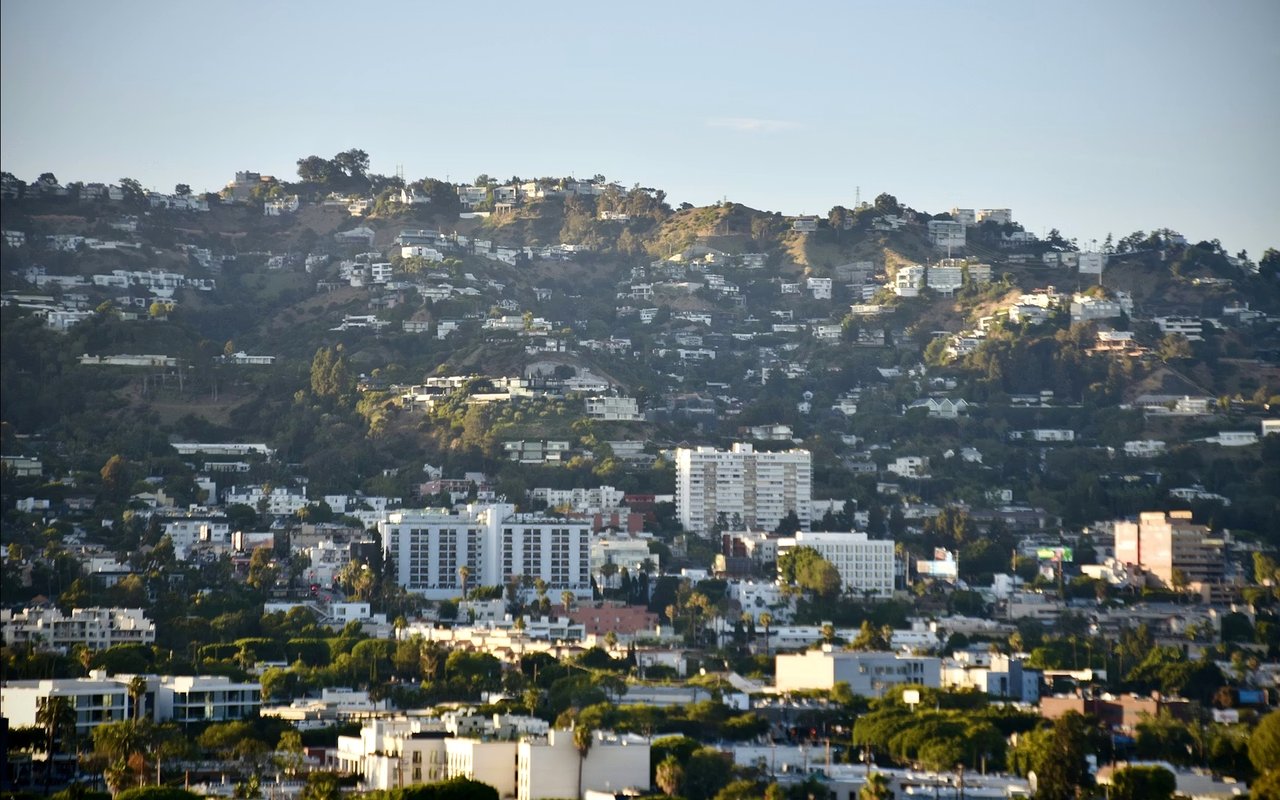
Mid-century modern estates gained prominence in Beverly Hills during the postwar period, particularly throughout hillside enclaves like Trousdale Estates. Featuring low-profile rooflines, glass curtain walls, and flexible open floor plans, these residences integrate directly with hilltop terrain.
- Key Elements: Steel-frame construction, floor-to-ceiling glass glazing, post-and-beam ceilings
- Master Architects: A. Quincy Jones, Wallace Neff, Richard Dorman
- Buyer Appeal: High demand among design purists and international collectors
Contemporary Minimalism: Modern Evolution
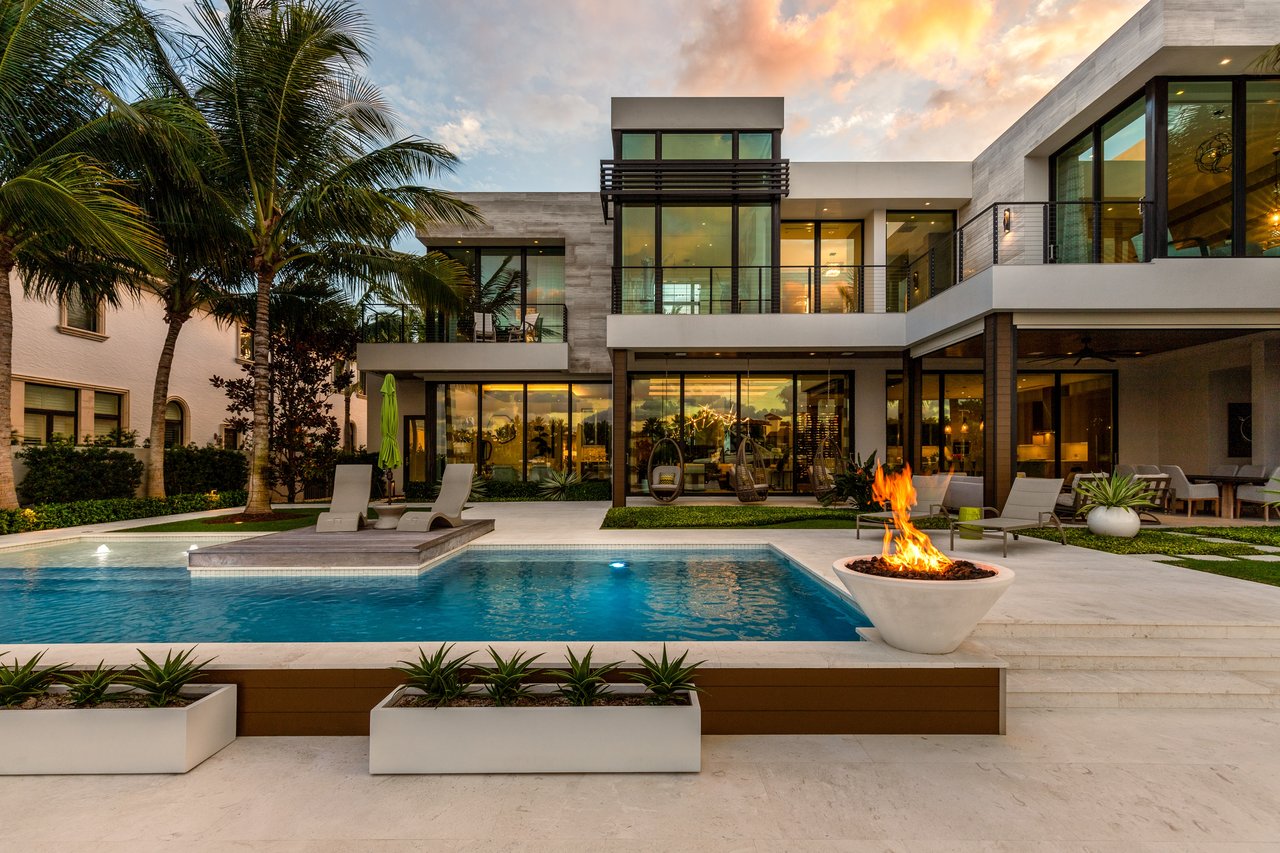
Contemporary minimalist estates have become increasingly prevalent over the past two decades. Newer custom homes in Beverly Hills adopt modernist frameworks, featuring monolithic forms, natural stone facades, motorized glass walls, and integrated smart home technology.
Traditional European-Inspired Estates
Traditional European-inspired architecture draws from Georgian, French Provincial, and English Manor traditions. These estates occupy larger acreage parcels in areas like Beverly Park, where axial entry sequences, symmetrical stone facades, and manicured grounds emphasize formal scale.
Spanish Colonial Revival: Heritage & Craftsmanship
Spanish Colonial Revival remains an enduring subset of Mediterranean architecture with deep ties to Southern California history. Preservation inventories show these homes retain original craftsmanship, including hand-forged ironwork, Malibu decorative tiles, exposed wood beam ceilings, and asymmetrical massing.
Valuation & Buyer Psychology
Architectural Authenticity as a Value Multiplier
Across all styles, authenticity consistently outperforms trend-driven alterations. Appraisal studies demonstrate that homes maintaining a cohesive architectural language retain pricing strength more effectively. Key indicators of architectural integrity include consistent material palettes, era-appropriate detailing, proportional scale, and integrated landscape design.
How Architecture Shapes Buyer Psychology
High-net-worth buyers evaluate architecture as a reflection of identity and long-term security. Behavioral real estate research indicates that clear architectural pedigree increases buyer confidence by signaling permanence, privacy, and global taste alignment.
About Coldwell Banker Global Luxury Beverly Hills
Coldwell Banker Global Luxury Beverly Hills is a premier luxury real estate advisory firm specializing in Master Architect properties, historic Spanish Colonial restorations, and contemporary hillside compounds across Beverly Hills, Bel-Air, and Holmby Hills. Operating from our Wilshire Boulevard headquarters, our specialists have represented buyers and sellers in over $1.5 billion in local transactions.
To evaluate an architectural property or explore off-market estates, visit cbluxurybeverlyhills.com.
Frequently Asked Questions
Which architectural styles hold value best in Beverly Hills?
Styles featuring historical authenticity and disciplined execution, such as Mediterranean Revival, Mid-Century Modern, and formal European estates, demonstrate the strongest long-term value retention in Beverly Hills.
Do contemporary homes perform as well as traditional estates?
Yes, contemporary homes perform strongly when executed with restraint, structural integrity, and premium natural materials. Poorly built modern homes with generic finishes tend to experience higher value volatility.
Can unapproved architectural changes negatively impact property value?
Yes. Alterations that disrupt original design intent or introduce stylistic inconsistency can diminish appraisal valuation, reduce buyer demand, and trigger specialized municipal review for Master Architect properties.
Source: Master Architect Registries, City of Beverly Hills Historic Preservation Ordinance Data, and Coldwell Banker Global Luxury Historic MLS Sales Records 2025-2026.